Why Local SEO Is Important for Small Businesses
Local SEO And Small Businesses
In today’s digital era, where the internet shapes consumer behavior, Local Search Engine Optimization (SEO) has become a vital tool for small businesses to thrive. Local SEO refers to the process of optimizing a business’s online presence to attract more customers from relevant local searches.
The importance of Local SEO is very important for small businesses. It’s not just about being found online; it’s about being found by the right people – your local community and potential customers in your area. According to Think with Google, over a period, searches for local places without the qualifier “near me” or “local” grew by 150%. This shift underscores the need for small businesses to focus on local SEO strategies to ensure visibility in these critically important searches.
Why is Local SEO a game-changer for small businesses? First, it evens out the competition with big companies by letting local businesses show up in local search results. This means that even smaller establishments can compete effectively in their local market. Local SEO boosts your ROI by targeting those more prepared to buy locally. The Search Engine Journal notes that local searches lead 50% of mobile users to visit stores within one day.
And with the rise of voice search and mobile usage, local SEO’s importance is amplified. Voice search queries often contain local intent and require businesses to optimize their content to cater to this growing trend. Ensuring that your business appears in these searches is essential for staying relevant and accessible in the fast-paced digital world. For small businesses, putting money into local SEO is crucial. It’s a smart strategy to draw in more local customers and establish a solid presence in the community.
Understanding Local SEO:
Local SEO, a specialized branch of general SEO, focuses on reaching customers nearby a business.This strategy is crucial for small businesses seeking to establish a strong local presence and reach potential customers in their immediate geographical area.
Local SEO involves optimizing a business’s online presence to appear in local search engine results. It helps businesses in those areas show up in search results. Essentially, local SEO connects these businesses with potential customers who are looking for them. The goal is to be visible to consumers at the very moment they’re searching online for the products or services a business offers.
Why Local SEO Matters for Small Businesses:
The significance of local SEO for small businesses can’t be overstated. This connection is vital, considering that, according to HubSpot, nearly 46% of all Google searches are for local information. A BrightLocal study shows that 46% of Google searches are looking for local stuff. This means there’s a big chance for local businesses to get noticed by the right people
Local Consumer Behavior and SEO:
The way consumers search for products and services has evolved. With the rise of smartphones and voice search, local queries have become more frequent and specific. Google’s algorithm updates continually prioritize local search, making it essential for small businesses to adapt their online presence continuously. Optimizing for local SEO means ensuring your business is visible in these critical moments of local search queries.
The Benefits of Local SEO:
Local SEO boosts online visibility and brings in more customers. If a business shows up in local searches, it’s more likely to get people walking through its door. A well-optimized local business appears more reputable and becomes a go-to choice for customers in the area.
Competitive Advantage with Local SEO:
For small businesses, local SEO provides a competitive edge. In a landscape where large corporations often dominate broad search terms, local SEO levels the playing field. It allows smaller businesses to stand out in their specific local markets where they can compete more effectively against larger companies.
Local SEO is a powerful tool for your small businesses. It aligns with modern consumer behavior, targets relevant local customers, and drives real, measurable results. Small businesses that focus on local SEO boost their online presence and unlock new possibilities for expansion and community involvement.

Understanding the Basics
Local SEO, an integral aspect of digital marketing, plays a pivotal role in how small businesses connect with local customers. Understanding its basics is essential for leveraging its full potential.
The Mechanics of Local Search Algorithms:
Search engines like Google use complex algorithms to determine which businesses show up in local search results. These algorithms consider various factors, including the relevance of the business to the search query, the distance from the searcher’s location, and the prominence of the business online. Google’s local search is tough. It looks at the user’s location, experience, and the business’s Google My Business profile to decide where your website ranks.
Importance of Keywords and Geolocation:
Keywords play a significant role in local SEO. People searching locally often use a place name or ‘near me’ in their search terms. Businesses need to incorporate these geo-specific keywords into their website content, meta tags, and listings to improve their visibility in local searches.
Google My Business – A Key Player:
One of the cornerstones of local SEO is a well-optimized Google My Business (GMB) profile. This free listing allows businesses to appear in local search results and Google Maps. A comprehensive GMB profile includes accurate business information, business categories, hours of operation, and customer reviews. Frequently refreshing your Google My Business profile and replying to reviews can majorly increase your local search visibility.
Local Citations and Backlinks:
Local citations, which are online mentions of a business’s name, address, and phone number, contribute to local SEO. These citations, found in directories like Yelp or local chamber of commerce websites, help search engines verify the existence and legitimacy of a business. Getting backlinks from well-respected local sites can push a business up in local search rankings.
Mobile Optimization and Local SEO:
With the increasing use of mobile devices for searches, having a mobile-friendly website is crucial for local SEO. A mobile-optimized site provides a better user experience and is favored by search engines. Making your content friendly for the kind of casual keywords people use in voice searches can really help improve your local SEO.
To wrap it up, getting good at local SEO means getting to grips with how search engines work. It’s about making sure you use the right keywords, paying attention to your Google My Business profile, getting mentioned in local listings, earning backlinks, and making your website work well on phones. By excelling in these areas, small businesses stand to dramatically boost their local search presence. This, in turn, enhances their visibility and engagement with customers in their community.
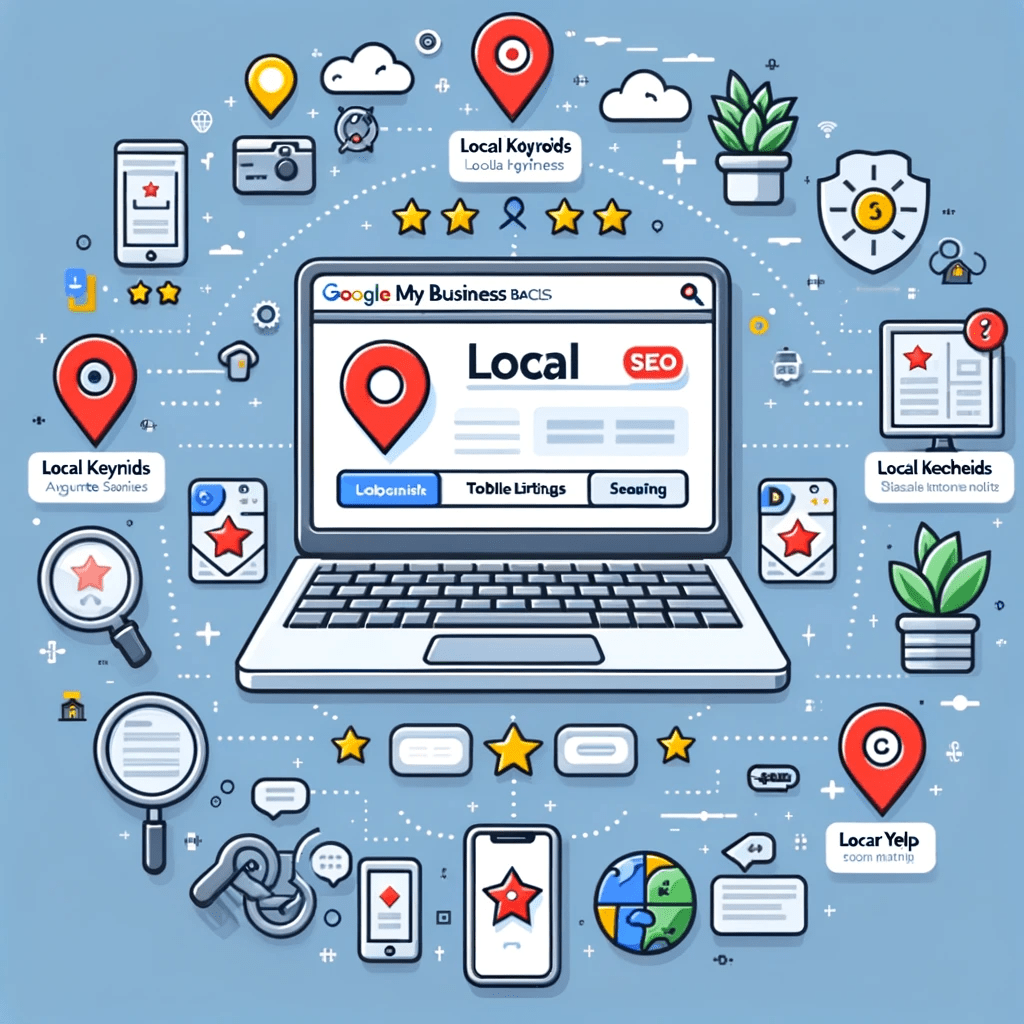
Key Benefits of Local SEO for Small Businesses
Local SEO is more than just an online marketing strategy; it’s a crucial component for the growth and sustainability of small businesses. Here are some key benefits that local SEO offers:
Enhanced Visibility in Local Search Results:
The most immediate benefit of local SEO is increased visibility in search engine results. This enhanced visibility means when potential customers search for services or products in a specific area, a well-optimized business will appear prominently, driving more traffic to your website.
Driving Local Traffic and In-Store Visits:
Local SEO doesn’t only boost online visibility it will also translate into foot traffic. A study by HubSpot indicates that 72% of consumers who perform a local search visit a store within five miles. By appearing in local search results, businesses can attract customers who are ready to purchase and are looking for convenient, local options.
Building Credibility and Trust:
Local SEO helps in establishing credibility and trust among the local customer base. When a business appears in local search results, with positive reviews and accurate information, it builds confidence with customers. This credibility is vital for small businesses competing against larger chains or online retailers.
Cost-Effective Marketing:
Compared to traditional advertising methods, local SEO is a cost-effective marketing strategy. By focusing on local search optimization, small businesses can reach their target audience without the hefty price tag that often comes with broad-scale advertising campaigns.
Competitive Edge in the Market:
Local SEO provides small businesses with a competitive edge. By optimizing for local search, businesses can outrank their less savvy competitors, even larger companies. This advantage is significant in areas with high competition in a particular industry, where standing out in local search can make a substantial difference in market share.
In conclusion, the benefits of local SEO for small businesses are clear and manifold. From enhanced visibility and increased foot traffic to building trust and gaining a competitive edge, local SEO is an indispensable tool in the modern business landscape.
Practical Strategies to Optimize Your Small Business for Local SEO
For small businesses, the digital landscape presents numerous opportunities for growth, especially through local SEO. Here are practical strategies to effectively optimize a small business for local SEO:
Optimize Website and Content for Local Search: Start by ensuring your website is optimized for local SEO. This includes incorporating local keywords into your site’s meta titles, descriptions, and content. Ensure that your website mentions your city or region naturally to help local customers find you. Also, create content that resonates with local audiences, such as blog posts about local events or issues.
Leverage Google My Business: A complete and optimized Google My Business (GMB) profile is essential. Ensure that your business’s name, address, and phone number (NAP) are consistent across the web. Regularly update your GMB profile with accurate information, post updates, and respond to reviews to improve your visibility and credibility.
Utilize Local Directories and Citations: List your business in local directories and ensure your citations (mentions of your business name, address, and phone number) are consistent across these directories. Platforms like Yelp, TripAdvisor, and local business chambers can boost your local SEO efforts.
Encourage and Respond to Online Reviews: Online reviews are a key component of local SEO. Encourage your customers to leave reviews on your GMB profile and other relevant platforms. Responding to reviews, both positive and negative, shows engagement and can positively influence your local SEO.
Focus on Mobile Optimization and Local Engagement: With a significant number of searches conducted on mobile devices, ensure your website is mobile-friendly. Engage with your local community through social media and local events. This not only boosts your local presence but also aids in building a loyal customer base.
By implementing these strategies, small businesses can significantly enhance their local SEO, leading to increased visibility, customer engagement, and ultimately, business growth in their local community.
Measuring the Success of Your Local SEO Efforts
Effectively measuring the success of local SEO strategies is crucial for small businesses to understand their impact and refine their approach. Here are key metrics and tools to help track and measure local SEO performance:
Local Search Rankings: One of the most direct ways to measure local SEO success is by monitoring your rankings in local search results. Tools like Google Analytics and SEMrush can track your position for specific local keywords, helping you understand how well your business is performing in local searches.
Website Traffic from Local Searches: Analyzing the amount of traffic your website receives from local search queries is essential. Google Analytics provides insights into the geographical location of your web visitors and the keywords they used to find your site, allowing you to gauge the effectiveness of your local SEO efforts.
Conversion Rates from Local Visitors: It’s not just about attracting local traffic; it’s about converting that traffic into customers. Track metrics like appointment bookings, phone calls, or in-store visits that result from local search queries. Tools like Google My Business provide valuable data on how customers interact with your listing, including calls and direction requests.
Online Reviews and Ratings: The quantity and quality of online reviews are vital indicators of local SEO success. Regularly monitor your reviews on platforms like Google My Business and Yelp. Positive reviews can boost your local search ranking and influence potential customers’ decisions.
Engagement on Localized Content: If you’re creating content targeted at your local audience, measure its performance. Engagement metrics like shares, comments, and likes on local blog posts or social media updates can indicate how well your content resonates with the local community.
By regularly tracking these metrics, small businesses can gain valuable insights into the effectiveness of their local SEO strategies, making informed decisions to improve their online presence and grow their customer base.
Conclusion: Embracing Local SEO for Small Business Growth
In the journey of demystifying Local SEO, it’s evident that its impact on small businesses is profound and multifaceted. Local SEO is not just a strategy; it’s a fundamental element in the digital marketing arsenal of any small business.
The enhanced visibility that Local SEO provides in search engine results is invaluable. It connects small businesses directly with customers who are actively seeking their services or products in their locality. This targeted approach not only does it drive traffic – both online and offline – it also builds credibility and trust.
Local SEO levels the playing field, allowing small businesses to compete effectively with larger corporations. Through practical and cost-effective strategies like optimizing for local keywords, maintaining accurate listings, garnering positive reviews, and engaging with the local community, small businesses can carve out a significant presence in their local market.
The future of local business success is undeniably intertwined with the efficacy of their Local SEO strategies. By embracing these practices small businesses can ensure their survival and set the stage for growth.
Local SEO is more than just a marketing tactic; it’s an investment into the future. Promising enhanced visibility, community connection, and a robust competitive edge in the local marketplace.


 Simple Web Solutions