The Ultimate Guide to Optimizing Website Slugs for SEO
When it comes to SEO, every detail matters, including the often overlooked website slug. A “slug” is the part of your URL that identifies a specific page, and optimizing it can significantly impact your search engine rankings and user experience. In this guide, we’ll explore what slugs are, why they’re crucial for SEO, and how you can create and manage effective slugs for your website. Whether you’re a seasoned webmaster or just trying to wear another cap in the world of small business owners, these tips will help you make the most of your URLs to increase traffic to your website.
Relevant Article Links
What is a Website Slug?
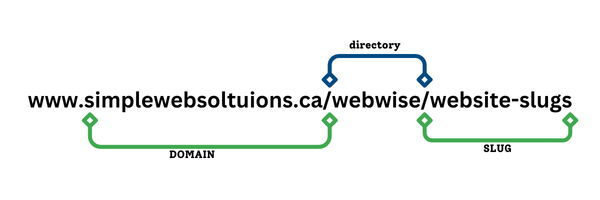
A website slug is the part of a URL that comes after the domain name and identifies a specific page on a website. For example, in www.example.com/about-us, the slug is about-us.
Why are Slugs Important for SEO?
Slugs are important for SEO because they help search engines understand the content of the page. A well-crafted slug can improve a page’s search engine ranking by making it clear and relevant to the query.
How do I Handle Spaces and Special Characters in Slugs?
Use hyphens to separate words in a slug, as they are easy to read and preferred by search engines. Avoid using special characters, spaces, or underscores, as they can make the URL less readable and negatively impact SEO.
Key Things to Know About Slug Length
Optimal Length: Keep your URL slugs short and concise. Ideally, a slug should be around 3-5 words. This makes it easier for both users and search engines to understand the content of the page at a glance.
Good Slug Length:
- URL:
www.example.com/seo-tips - Slug:
seo-tips - Reason: This slug is short, descriptive, and easy to read. It clearly indicates the content of the page and is optimized for search engines.
Bad Slug Length:
- URL:
www.example.com/seo-tips-for-beginners-who-want-to-learn-about-search-engine-optimization - Slug:
seo-tips-for-beginners-who-want-to-learn-about-search-engine-optimization - Reason: This slug is excessively long and contains too many keywords. It’s difficult to read and looks spammy to both users and search engines.
Readability and SEO:
A shorter slug is more readable and can improve SEO. Long slugs can be perceived as spammy by search engines and users. A clear, short slug helps improve click-through rates and user experience.
Good Readability:
- URL:
www.example.com/contact-us - Slug:
contact-us - Reason: Simple, readable, and instantly conveys the page’s purpose.
Bad Slug Readability:
- URL:
www.example.com/this-is-our-contact-us-page - Slug:
this-is-our-contact-us-page - Reason: Contains filler words that do not add value. Reducing it to
contact-usis more effective.
Avoid Keyword Stuffing:
Keyword stuffing in URLs is considered a spam signal. URLs with excessive keywords separated by hyphens are particularly problematic. Aim for a natural and readable format without repeating keywords unnecessarily.
Good slug:
- URL:
www.example.com/organic-tea - Slug:
organic-tea - Reason: Contains the main keyword without repetition. It is natural and user-friendly.
Keyword stuffing:
- URL:
www.example.com/organic-tea-best-organic-tea-buy-organic-tea - Slug:
organic-tea-best-organic-tea-buy-organic-tea - Reason: Overloaded with keywords. It appears spammy and can be penalized by search engines.
Relevance and Specificity:
Ensure that your slug accurately reflects the content of the page. While it should be short, it should also be specific enough to give users and search engines a clear idea of what the page is about.
Good Relevance:
- URL:
www.example.com/apple-pie-recipe - Slug:
apple-pie-recipe - Reason: Directly reflects the content of the page. Users know exactly what to expect.
Bad Relation:
- URL:
www.example.com/delicious-desserts - Slug:
delicious-desserts - Reason: Too broad and vague. It does not specifically indicate that the page is about apple pie.
Consistency and Branding:
Maintain a consistent style for your slugs across your site. This not only helps in creating a clean and organized URL structure but also aids in brand recognition. Avoid using special characters and stick to lower case to maintain uniformity.
Good Consistency:
- URL:
www.example.com/blog-seo-tips - Slug:
blog-seo-tips - Reason: Follows a consistent, simple structure with lowercase letters and hyphens.
Bad Consistency:
- URL:
www.example.com/Blog_SEO-Tips - Slug:
Blog_SEO-Tips - Reason: Inconsistent use of capitalization, underscores, and hyphens. This inconsistency can confuse users and looks unprofessional.
By adhering to these guidelines, you can create effective and SEO-friendly URL website slugs that enhance user experience and improve search engine rankings. The most important thing to remember when building a website with an optimal slug structure is simplicity and clarity. Ensure that each slug is short, descriptive, and easy to read. Here are the key points to keep in mind:
Key Points
- Keep It Short and Descriptive: Website Slugs should be concise while clearly describing the page content.
- Use Hyphens to Separate Words: Hyphens improve readability and are preferred by search engines.
- Avoid Special Characters and Numbers: Stick to lowercase letters and hyphens to keep slugs clean and consistent.
- Include Target Keywords: Incorporate relevant keywords naturally, but avoid keyword stuffing.
- Maintain Consistency: Use a consistent format across your website for all slugs.
Advanced Tips for Slug Optimization
Analyzing Competitors’ Slugs:
- Analyzing your competitors’ slugs can provide insights into effective URL structures and keyword usage in your industry. By examining how top-performing websites format their slugs, you can identify patterns and strategies that may contribute to their success. This analysis can help you refine your own slug strategy to improve SEO performance.
Using Tools for Keyword Research:
- Keyword research tools such as Google Keyword Planner, Ahrefs, and SEMrush can help you identify the most relevant and high-performing keywords for your slugs. These tools provide data on search volume, competition, and related keywords, enabling you to select the best terms to include in your slugs for maximum SEO impact.
Monitoring Slug Performance with Analytics:
- Use analytics tools like Google Analytics and Search Console to track the performance of your slugs. Monitor metrics such as click-through rates, bounce rates, and ranking positions to assess the effectiveness of your slugs. Regularly reviewing this data allows you to make informed adjustments to optimize your URLs further.
How to Edit Existing Slugs
Tips for Changing Slugs on Existing Pages:
- Summary: When changing slugs on existing pages, ensure that the new slug remains relevant and descriptive. Keep the changes minimal to maintain the page’s integrity and avoid confusing users or search engines.
Handling 301 Redirects to Maintain SEO Value:
- Summary: Implement 301 redirects from the old URL to the new one to preserve SEO value and ensure that users and search engines are directed to the correct page. This prevents loss of traffic and maintains the page’s search engine ranking.
Tools and Plugins to Help Manage URL Changes:
- Summary: Use tools and plugins like Redirection, Yoast SEO, and Google Search Console to manage URL changes efficiently. These tools help you implement redirects, track changes, and ensure that your SEO efforts remain intact.
Common Mistakes to Avoid
Keyword Stuffing:
- Summary: Avoid stuffing slugs with excessive keywords, as this can be perceived as spammy by search engines and negatively impact your SEO. Focus on creating natural and readable slugs with relevant keywords.
Using Underscores Instead of Hyphens:
- Summary: Hyphens are preferred over underscores in slugs because they are more readable and better recognized by search engines. Ensure consistency by using hyphens to separate words in your slugs.


 Simple Web Solutions
Leave a comment